a
Print
version

Germany’s new-build rents soar

Germany’s housing market is facing serious challenges: rents for new-build properties in major cities have risen by an average of 8% over the past year, and experts predict the trend will continue.
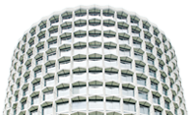
Photo: Florian Wehde / Unsplash

According to BNP Paribas Real Estate, the imbalance between high demand and limited supply is the key factor behind the situation.

Factors driving rent increases

Severe housing shortage. The national vacancy rate is just 2.5%, and in the seven largest cities it has fallen below 1%. In Munich and Frankfurt, it has reached a record low of 0.1%. Such scarcity puts heavy pressure on the market and inevitably pushes prices upward.

Construction crisis. Low construction activity, combined with population growth—particularly in major cities—exacerbates the problem. In the short and medium term, this imbalance is likely to persist.

Strong demand. Consistently high demand for housing, especially in Class-A cities (A-Städten) and university hubs, prevents the market from stabilizing.

Geographic trends and price dynamics

Price growth has affected all regions, but the sharpest increases are seen in major cities. In Berlin, asking rents for existing housing have risen by 87% since 2015, making it the national leader. In the new-build segment, the highest growth has also been recorded in Berlin and Hamburg — up 72% since 2015.

Hamburg, with new-build rents at €22.40 per square meter, now ranks as the second most expensive market after Munich. Nationwide, rents for new apartments have increased by 55% compared to 2015 and currently average €14.65 per square meter.

Outlook

According to Christoph Meselinski, Managing Director at BNP Paribas Real Estate, investments in rental housing remain attractive due to the stable cash flow they generate. However, for tenants this means they will face continued rent increases in the coming years. The report’s authors are confident that, given the current balance of supply and demand, dynamic rental growth will persist.

Please read also: Germany: which regions are seeing property prices climb – and which are facing declines? Latest insights on buying and renting trends

Source: Haufe.de

Quoting conditions of Prianproperty.com materials

Share the link:
Tags: Germany, Market Analysis, Rent, Investment, Real Estate

Read also

Global Property Guide has named the 10 most expensive cities in Europe for buying an apartment
Europe has recorded a new geographic paradox: four out of the five most expensive housing markets...
The EU targets speculators and short-term rentals
However, some political parties said the plan was not specific enough.
Property prices are climbing across the EU – with one exception…
Over the year ending in the third quarter of 2025, housing prices declined in only one country of...
Germany introduces new rules for rental apartments
Germany is preparing a major overhaul of its housing legislation. Justice Minister Stefanie Hubig...
Eurostat has released the latest statistics on housing prices in the EU countries
In the first quarter of 2026, the European Union’s residential property market recorded solid...
Eurostat has reported a notable increase in housing prices across EU countries
By the end of 2025, the residential real estate market in the European Union demonstrated steady...

Interesting to read

News and articles on the topic «Germany»

Europe’s most promising cities for real estate investment in 2027 revealed

London remains the undisputed leader, while Munich emerged as Germany’s biggest surprise,...

  • 12.11.2026

Europe’s tax trap: which countries make buying and owning property the most expensive

Belgium has been named the most financially burdensome country for investors, with property...

  • 16.09.2026